What makes a game design pattern a dark pattern, and how does it differ from simply bad design?
A dark pattern combines a negative experience for the player with the developer's intention to cause it, typically frustration that triggers a purchase. It is "designing for bad", deliberate design used as a weapon against the player for profit, not "bad design" by honest mistake.
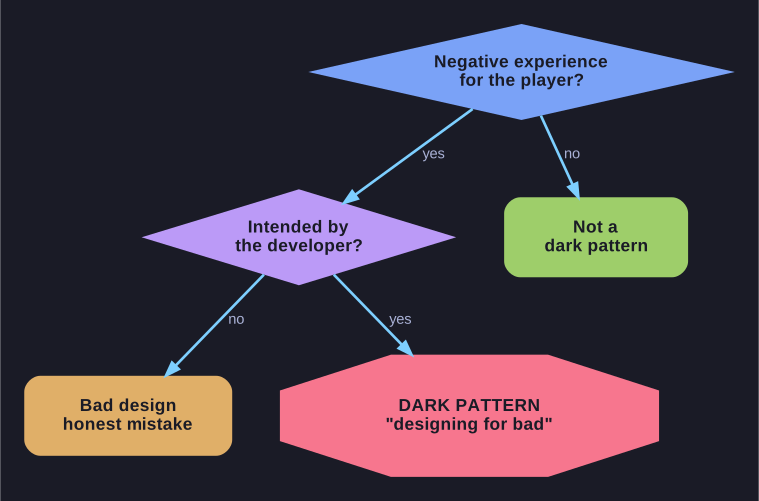
* A dark pattern needs both a negative experience and the intent to cause it *
Two conditions must both hold (Zagal, Björk & Lewis 2013):
- a negative experience for the player, and
- the developers' intention to cause that negative experience.
Why would anyone intend frustration? Because frustration is the trigger for a purchase decision that benefits the company. Unethical patterns are therefore design used as a weapon against the play experience, in favour of profit.
| Bad design | Designing for bad |
|---|---|
| Honest mistake | Deliberate |
| Unintended negative outcome | Intended negative outcome |
| Fix it when found | The "flaw" is the business model |
The practical difficulty: from the outside, it is hard to tell whether a design is an honest mistake with unintended results or whether the result was intended.
Go deeper:
 Wikipedia: Dark pattern — history of the term and a catalogue of patterns.