What is the difference between morality and ethics?
Morality is the lived system of norms; ethics is the scholarly reflection on it — one level up, asking not what counts as right but why it counts as right.
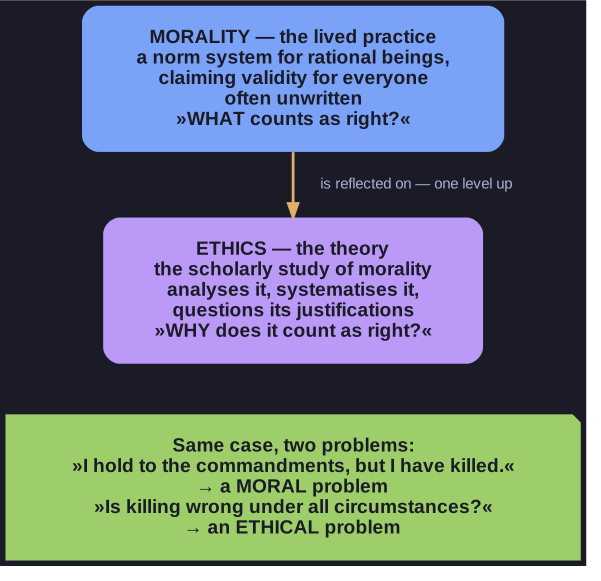
* One level up: morality is the lived norm system, ethics the discipline that audits it *
Morality is the practice; ethics is the theory behind it. Ethics sits one level of reflection above morality: it examines, compares and systematises the various moralities that exist, and interrogates their justifications and principles. Morality asks "what is forbidden?"; ethics asks "what makes anything forbidden, and is this justification any good?"
The cleanest way to feel the difference is that the same noun takes both adjectives, with different meaning:
- Someone has a moral problem if they are committed to "thou shalt not kill" and have killed someone. They are in conflict with a norm they hold.
- Someone has an ethical problem if they want to work out whether killing is wrong under all circumstances. They are questioning the norm itself.
The usage in institutions follows the same logic: universities teach ethics, not morality; hospitals and research bodies convene ethics committees, not morality committees. In both cases the job is to reason about norms, not merely to apply them.
Tip: Morality = the rulebook people live by. Ethics = the discipline that audits rulebooks.
Go deeper:
 Wikipedia: Ethics — the discipline itself — its branches, and how it relates to the moralities it studies.
- Ethics Unwrapped: Moral Reasoning — what reasoning about norms looks like in practice, as opposed to simply applying them.