What is a transaction, and what is the mempool?
A transaction is a signed instruction to change the ledger (such as moving funds); after you broadcast it, it waits in the mempool — a pool of pending, unconfirmed transactions — until a miner or validator includes it in a block.
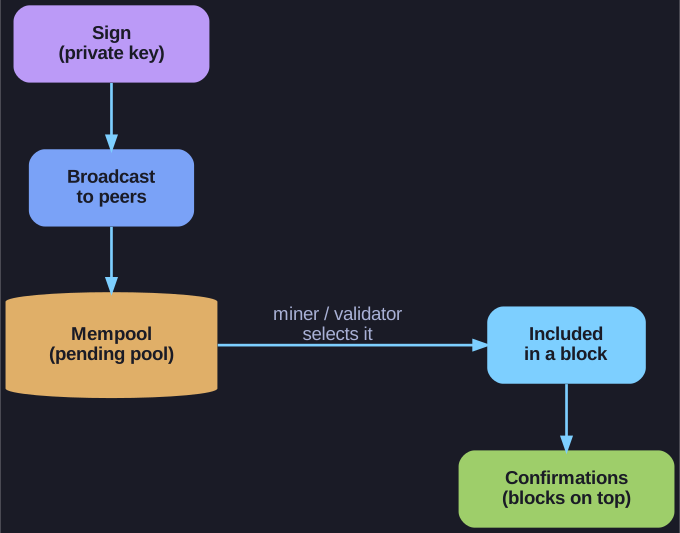
* A transaction's journey: signed, broadcast, held in the mempool, included in a block, then hardened by each confirmation on top. *
When you send funds, your wallet builds a transaction, signs it with your private key, and broadcasts it to the network. It is not settled instantly. It first sits in the mempool ("memory pool"), the holding area of transactions that are valid but not yet written into a block. Block producers select transactions from the mempool — typically favouring those offering higher fees — and include them in the next block they mine. Only once a transaction is in a confirmed block has it actually taken effect, and each additional block mined on top increases confidence it is permanent. Until then it is merely a pending request.
Go deeper:
 Transactions — ethereum.org — the full lifecycle: signing, broadcast, the transaction pool, and inclusion in a block.
- Bitcoin — Wikipedia — how pending transactions are relayed and confirmed on the original network.